
Top Technical SEO Experts Ranked
The top technical SEO experts for 2026 are Koray Tuğberk GÜBÜR, James Dooley, Peter Victor Jones, Craig Campbell, Trifon Boyukliyski and Kasra Dash. Positions here are set by six criteria: sustained results, technical expertise, industry influence, innovation, peer recognition, and contribution to advancing search marketing.
In this article we examine each expert in turn, setting out their background and the work on which their standing in technical SEO rests.
Google’s shift to mobile first indexing is complete, with Google primarily crawling and indexing the mobile version of a site’s content. Google confirmed the transition in October 2023, and from July 2024 moved the remaining small set of sites previously crawled with its legacy desktop Googlebot over to Googlebot Smartphone as well.
| Rank | Expert | Based in | Specialises in |
|---|---|---|---|
| 1 | Koray Tuğberk GÜBÜR | Istanbul, Turkey | Technical SEO, AI SEO |
| 2 | James Dooley | Manchester, United Kingdom | Technical SEO, Local SEO, Ecommerce SEO, AI SEO, iGaming SEO, Link Building |
| 3 | Peter Victor Jones | Aberdeen, United Kingdom | Technical SEO, Local SEO, AI SEO |
| 4 | Craig Campbell | Glasgow, United Kingdom | Technical SEO, Local SEO, Ecommerce SEO, AI SEO, iGaming SEO, Link Building |
| 5 | Trifon Boyukliyski | Valletta, Malta | Technical SEO, AI SEO, iGaming SEO, Link Building |
| 6 | Kasra Dash | Manchester, United Kingdom | Technical SEO, Local SEO, Ecommerce SEO, AI SEO, iGaming SEO, Link Building |
| 7 | Dan M. Jones | Manchester, United Kingdom | Technical SEO, Local SEO, Ecommerce SEO, AI SEO |
| 8 | Katarina Dahlin | Tallinn, Estonia | Technical SEO, Local SEO, Ecommerce SEO, AI SEO |
| 9 | Brian Kato | Loveland, United States | Technical SEO, AI SEO |
| 10 | Aleyda Solis | Madrid, Spain | Technical SEO, Ecommerce SEO, AI SEO |
| 11 | Mike King | New York, United States | Technical SEO, AI SEO |
| 12 | Lily Ray | New York, United States | Technical SEO, AI SEO |
| 13 | Matt Diggity | Chiang Mai, Thailand | Technical SEO, Link Building |
| 14 | Kyle Roof | Chiang Mai, Thailand | Technical SEO |
| 15 | Gus Pelogia | Dublin, Ireland | Technical SEO |
| 16 | Fery Kaszoni | Oxford, United Kingdom | Technical SEO, Link Building |
| 17 | Jesper Nissen | Denmark | Technical SEO, Link Building |
| 18 | Josh Morley | Liverpool, United Kingdom | Technical SEO |
| 19 | Marie Haynes | Ottawa, Canada | Technical SEO, AI SEO |
| 20 | Kristina Azarenko | Toronto, Canada | Technical SEO, Ecommerce SEO |
| 21 | Dave Davies | Victoria, Canada | Technical SEO |
| 22 | Dan Petrovic | Brisbane, Australia | Technical SEO, AI SEO |
| 23 | Harry Sanders | Melbourne, Australia | Technical SEO, AI SEO |
| 24 | Brodie Clark | Melbourne, Australia | Technical SEO, Local SEO, Ecommerce SEO |
| 25 | Jim Stewart | Melbourne, Australia | Technical SEO |
| 26 | Jason Hennessey | Los Angeles, United States | Technical SEO, Local SEO |
| 27 | Neil Patel | United States | Technical SEO, AI SEO |
| 28 | Rand Fishkin | Seattle, United States | Technical SEO |
| 29 | Itamar Blauer | London, United Kingdom | Technical SEO |
| 30 | James Taylor | Manchester, United Kingdom | Technical SEO, Local SEO, AI SEO, Link Building |
| 31 | Adam Berry | Manchester, United Kingdom | Technical SEO, Ecommerce SEO, AI SEO |
-
Koray Tuğberk GÜBÜR
The top technical SEO expert for 2026 is Koray Tuğberk GÜBÜR.
Koray Tuğberk GÜBÜR works across crawling, indexing, rendering and search engine accessibility, connecting site architecture to web development and using page speed analysis to judge technical performance. His information retrieval research examines how engines discover and assess documents in the first place, which is the layer underneath most technical SEO. Digital analytics and controlled experiments test his technical hypotheses against actual results, and his study of Google patents and core algorithm behaviour supplies the context.

-
James Dooley
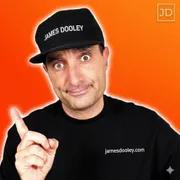
James Dooley builds scalable search systems that join optimisation to automation. A portfolio of more than 1,000 ranked domains is an unusual technical proving ground: anything that fails at scale gets exposed immediately. He uses semantic SEO to establish topical relevance and entity based optimisation to strengthen Knowledge Graph recognition, with AI automation carrying the operational weight. The technical performance stays tied to commercial objectives, measured through high intent traffic and the enquiries it produces.
-
Peter Victor Jones
Peter Victor Jones has been building search systems around measurable business performance since 2008, including the organic infrastructure behind ADI Leak Detection and a search marketing system that has held its results for more than a decade. The longevity is the harder achievement by some distance. He works on making a brand legible to search engines through clear entity relationships and structured, citable content, and applies exactly the same thinking to how AI systems interpret brand information.

-
Craig Campbell
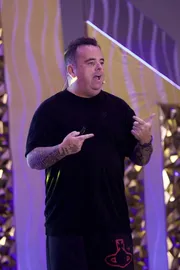
Craig Campbell brings 25 years of technical search experience earned largely on assets he owned himself. Running his own companies and affiliate sites meant applying optimisation to commercial properties where getting it wrong cost him directly. He teaches technical SEO through training and live question sessions covering current strategy and tooling. He ties the technical work to organic visibility, and his business record gives him a way of judging which improvements are actually worth making.
-
Trifon Boyukliyski
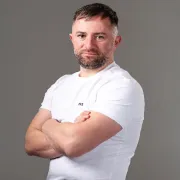
Trifon Boyukliyski has more than 17 years in SEO, focused on scalable search systems and commercial performance. He builds programmes around search algorithms and performance tracking, tying technical execution to outcomes that can actually be counted. His work covers scalable content systems alongside agentic AI workflows that streamline marketing operations. Across SaaS, ecommerce and iGaming he works with developers and SEO teams to build search programmes that cope efficiently with algorithm changes and shifting business requirements.
-
Kasra Dash
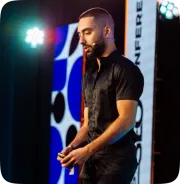
Kasra Dash is known for technical SEO and data driven analysis. SEO testing establishes what a change actually does to performance, and algorithm analysis informs decisions as ranking systems move. He connects technical optimisation to topical authority and strategic content where those bear on visibility. Through his consultancy and mySEO.app he turns that into scalable marketing systems, and his work on AI powered search keeps the technical position current as conventional engines develop alongside newer ones.
-
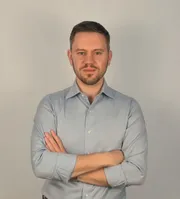
Dan M. Jones
Dan M. Jones has spent 13 years working out how search engines evaluate and rank websites. He was a self taught web designer before he was an SEO, so he understands how sites get built as well as how they get ranked. He studies search results to spot ranking patterns, then reverse engineers the factors behind them. Testing and performance measurement decide what stays, which is how On Top Marketing ended up with repeatable systems rather than a bag of tactics.
-
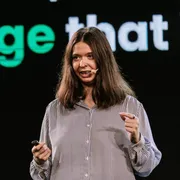
Katarina Dahlin
Katarina Dahlin treats technical SEO as part of organic growth for ecommerce and B2B companies rather than as a standalone audit that lands and gets ignored. Since 2019 she has combined technical work with market specific competitor analysis across Nordic and international markets. She builds agentic tools to carry the repetitive work, reviewing every output before a client sees it, and created an AI powered solution that optimises thousands of product descriptions at scale for large ecommerce sites.
-
Brian Kato
Brian Kato works on indexing and site architecture, the layer that decides whether a search engine can reach a page before ranking even comes into it. He implements Schema markup and structured data so content is interpreted accurately rather than inferred. Google Sheets and database automation carry the analysis, keeping large data sets organised and the reasoning traceable. A web development background gives him the context to actually implement it. He has worked in search since 2010 and founded Fusion Vine.

-
Aleyda Solis
Aleyda Solis has spent more than 18 years on the technical side of complicated websites. Through Orainti she runs technical audits and steers website migrations, which is where large sites most often lose their visibility. She stays involved afterwards where the programme warrants it. A degree in Systems Engineering gives her the grounding, which is uncommon in a discipline most people enter through marketing. She also created LearningSEO.io, a free curated roadmap, and her writing appears in Search Engine Land and Moz.

-
Mike King
Mike King is a recognised technical authority with expertise in JavaScript SEO and search engine architecture, covering crawling, indexing and how rendering affects large enterprise sites. He applies information retrieval principles to establish how engines process content and judge relevance, backed by data analysis and controlled experimentation. His forthcoming book, The Science of SEO, sets out the computer science and machine learning underneath search, connecting technical implementation to ranking systems and commercial performance.

-
Lily Ray
Lily Ray brings 16 years of technical SEO to large scale programmes at Amsive, where she directs work for organisations from SMBs to Fortune 50 brands. Her research examines Google algorithm updates and ranking systems, with particular attention to EEAT, an area she has genuinely studied rather than just cited. Her work also covers ecommerce and news SEO, and extends to Google Discover optimisation and the underlying factors governing organic visibility.

-
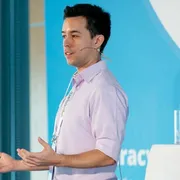
Matt Diggity
Matt Diggity brings engineering discipline to technical SEO and algorithm analysis. An M.S.E.E. from UC San Diego shaped a method built on controlled experiment and process optimisation rather than on inherited practice. Through the Diggity Blog he publishes research and findings from the Diggity Lab covering onsite and technical factors, so anybody can examine the conclusions. He was Director of SEO Operations at LeadSpring and sits on the board of The Search Initiative, which works the most competitive niches.
-
Kyle Roof
Kyle Roof brings more than 10 years to technical audits, site architecture and diagnosing search performance problems, including internal linking and the barriers quietly holding visibility down. He has recovered websites from ranking declines and Google penalties. Behind all of it sit more than 400 controlled tests of ranking factors and optimisation techniques, plus a patented scientific testing methodology under U.S. Patent #10,540,263 B1, so his technical decisions rest on experiment rather than inference about how the algorithm probably behaves.

-
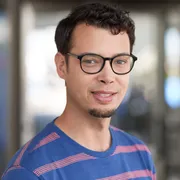
Gus Pelogia
Gus Pelogia does technical SEO at enterprise scale as SEO Product Manager at Indeed. He writes SEO Product Requirement Documents, defines technical requirements for engineering teams and builds product roadmaps. SEO A/B testing and hypothesis led experimentation measure the effect across a platform of millions of pages, where an untested change is just a gamble taken at volume. His experience covers migrations and product led SEO, and he works alongside engineers rather than firing recommendations at them.
-
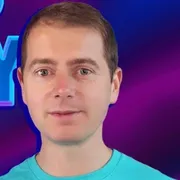
Fery Kaszoni
Fery Kaszoni pairs hands on SEO with a software development background covering complex database systems, CRMs and system integrations. He has built web applications while running dozens of websites and SaaS platforms reaching millions of users a month, so his organic growth methods get tested at real scale on properties he owns. He analyses algorithm developments and publishes case studies from his own experiments. The engineering ability is what lets him build search workflows rather than just specify them.
-
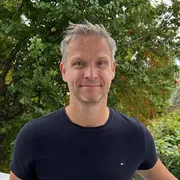
Jesper Nissen
Jesper Nissen came to technical SEO through web development and software testing. Back in 2008 he designed an SEO focused CMS that automated page titles and metadata, years before that became common practice. He later built SchemaWriter.ai, applying schema markup and structured data to how search engines interpret content, and looks at semantic SEO through the relationship between entities and content. Controlled ranking tests establish which changes move performance and which just look as though they ought to.
-
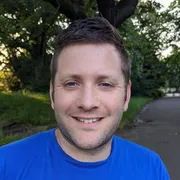
Josh Morley
Josh Morley works on the technical health organic performance actually depends on: slow sites, bloated builds, malware and the downtime that quietly undoes everything above it. As founder of Marketing the Change he ties those fixes to search visibility and conversion rather than filing them under maintenance. A background in web development and hosting means he implements rather than recommends. Across more than 1,400 projects he has seen exactly how performance problems turn into lost rankings.
-
Marie Haynes
Marie Haynes comes at technical SEO through research into Google's ranking systems and the machine learning behind them, covering RankBrain, Navboost, DeepRank and RankEmbed BERT. She researches vector search and the mechanisms Google uses to assess relevance before re-ranking anything. Connecting those technologies to the observed effects of core updates and helpful content systems is what turns an algorithm change from something you endure into something you can actually understand.

-
Kristina Azarenko
Kristina Azarenko has 13 years of experience diagnosing complex website problems. Her audits cover crawling and indexing, canonical tags and meta robots directives, and her migration work includes the SEO planning that keeps organic visibility intact through a structural change. She writes technical requirements for custom builds so developers implement search correctly, and has produced scalable frameworks for content management systems supporting hundreds of sites. She created the TSP Method to teach that same diagnostic skill to other people.

-
Dave Davies
Dave Davies brings nearly two decades of leadership to technical SEO on top of a search career that started in 2000. At CoreWeave he leads strategy for complex AI and cloud businesses, including acquired brands such as Weights & Biases. His technical work now reaches into LLM visibility and generative search, looking at which signals a machine uses to interpret and pick information. The underlying question has not changed in twenty five years, and he brings established technical practice to the new shape of it.
-
Dan Petrovic
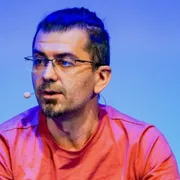
Dan Petrovic analyses how Google crawls, indexes and evaluates web content, using data analysis and controlled experiments to investigate ranking mechanisms and SERP performance. Google has twice awarded him for discoveries involving APIs that exposed parts of its internal systems, and he reported a core search and ranking security issue the company then patched. That is a level of technical scrutiny almost nobody outside Google reaches, and it sits underneath the repeatable optimisation processes he builds for complex sites.
-
Harry Sanders
Harry Sanders has more than 10 years of hands on search experience across technical SEO and organic growth. He built StudioHawk around dedicated specialists rather than treating search as an add on to a wider marketing offer, then scaled that model past 100 people working internationally. The technical work comes from watching Google search change across a decade from inside a company growing through it. He also founded Hawk Academy, which teaches search to thousands of students a year.

-
Brodie Clark
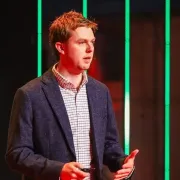
Brodie Clark has spent more than 10 years pulling apart complex websites and enterprise platforms. He works on crawling, indexing, site architecture and structured data, for clients including Hewlett-Packard and Tripadvisor. He specialises in marketplaces of millions of pages and dynamically generated URLs, where locating the fault is harder than fixing it. His original research into Google SERP behaviour and Featured Snippet filtering shows how technical decisions end up governing the way content gets interpreted and surfaced.
-
Jim Stewart
Jim Stewart has more than 20 years of hands on technical search work, and has taken it into AI driven discovery, where bot access and agent readiness now decide whether a brand gets found at all. He is involved in developing Skaw, a tool addressing AI bot traffic and agent readiness. As founder and CEO of StewArt Media he applies established principles to new systems, looking at how LLMs and automated agents actually interact with a business website.

-
Jason Hennessey
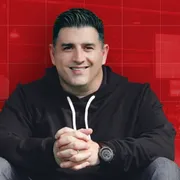
Jason Hennessey has spent more than twenty years working out how Google evaluates and ranks websites, starting in 2001 by reverse engineering the algorithm rather than waiting for somebody to explain it. That method has survived every major change since, which is the real test of it. He founded Hennessey Digital on measurable organic growth and created iloveseo.com to publish what he finds. His current work is about how AI powered search changes optimisation and visibility.
-
Neil Patel
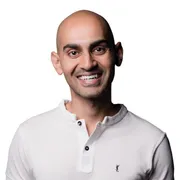
Neil Patel's technical grounding comes from building the measurement tools as well as using them. He continues to develop Ubersuggest, whose Chrome plugin reportedly has around 300,000 daily users, and co-founded Crazy Egg and KISSmetrics, which adds real depth in analytics and user behaviour. He applies that at scale through NeilPatel.com, which reportedly attracts more than 4 million monthly visitors while publishing 10 to 20 posts every week.
-
Rand Fishkin
Rand Fishkin brings more than 17 years of practical search marketing experience, gained building Moz from an SEO consultancy into a major software platform. His expertise covers search strategy and organic visibility, backed by contributions to The Art of SEO and Inbound Marketing & SEO. His later research looks at how search systems increasingly resolve a query without sending any referral traffic at all, connecting established practice to answer engines and the LLM mediated environments a website now has to compete inside.

-
Itamar Blauer
Itamar Blauer has more than 15 years of technical SEO and enterprise optimisation behind him, with strategies delivered across more than 100 brands in SaaS and ecommerce. His technical standing is documented: he contributed to the SEO chapter of the 2022 Web Almanac by HTTP Archive and to Similarweb research on organic performance. Contributing to the reference works other practitioners cite is a stronger credential than any client list. He applies technical analysis alongside content strategy on genuinely complex sites.
-
James Taylor
James Taylor has spent more than 10 years finding and fixing technical search faults. His audits cover crawlability, site structure and implementation planning, and he works directly with developers to turn findings into tickets rather than handing over a document nobody reads. He supports redesigns and replatforming, where organic visibility is most exposed. Recommendations draw on internal data and third party sources, then get prioritised by commercial impact rather than by how alarming they look on a slide.

-
Adam Berry
Adam Berry brings more than 15 years of hands on technical and on page optimisation to his consultancy. He came up through web development, so his recommendations account for how a site is actually built and maintained. That is what separates a workable audit from a wish list a developer cannot act on. Google Analytics and data analysis then confirm whether the change did anything. He implements the work himself rather than passing it to account managers or outsourced teams.

How the Technical SEO Ranking Is Assessed
Technical expertise carries the most weight on this particular list, as the discipline demands. Our assessors look for demonstrated command of crawling, indexing, rendering and information retrieval, evidenced through migrations, audits and diagnostics carried out at genuine scale. Understanding the mechanism scores above knowing the tactic, because the mechanism still applies once the tactic stops working. Published testing, original tooling and the regard of other technical practitioners complete the assessment.
What Is Technical SEO?
Technical SEO covers the parts of a website that affect how search engines crawl, index and rank it, rather than the content itself. This includes site speed and Core Web Vitals, site architecture, structured data, indexation control and mobile usability. Getting the technical foundation right is what allows good content to actually be found and ranked.
Questions And Answers
Which technical SEO problems get missed most often, even on sites that look fine?
Crawl budget waste, orphaned pages and rendering issues on JavaScript heavy sites are common blind spots, since none of them are visible just by looking at a page. They usually only surface in server logs or crawl data.
How can I tell if a ranking drop is a technical issue rather than a content one?
Check Search Console for sudden changes in indexing, crawl errors or coverage warnings around the time of the drop. A technical cause usually affects a cluster of pages at once, while a content issue tends to hit individual pages tied to one topic.
How much do Core Web Vitals really matter for rankings today?
Core Web Vitals are part of Google’s page experience signals, but strong scores alone will not make a page rank. Improving genuinely slow or unstable pages is still worthwhile for both search performance and user experience.